Solar Tackle Undercover Brolly Review
Last updated: February 2026
There’s a particular moment every carp angler knows intimately. You’ve driven to the lake for what you swore would be “just a quick afternoon session.” The sky looks dodgy, but you’re only staying a few hours, right?
Fast forward four hours: the carp are having it, the swim’s fishing like a dream, and those innocent-looking clouds have morphed into something that would make Noah nervous.
This is precisely the scenario where the Solar Tackle Undercover Brolly earns its keep.
I’ll be honest – I’ve put this shelter through its paces over the past eighteen months, from baking summer afternoons on Cambridgeshire gravel pits to horizontal rain on northern reservoir banks that would strip paint off a fence.
If you’re teetering between investing in a full-blown bivvy and sticking with your knackered old brolly that lets in more water than a colander, this review should help you decide whether Solar’s best-selling brolly system deserves a spot in your tackle arsenal.
The eternal bivvy-versus-brolly debate has plagued carp anglers since someone first decided sleeping on the bank was a brilliant idea.
Heavy-duty bivvies offer bombproof protection but require a degree in engineering to erect and weigh roughly the same as a small car.
Lightweight brollies are fantastic until the first proper downpour, when you discover that “shower-proof” and “actually waterproof” are very different things.
The Solar Undercover Camo Brolly System attempts to bridge this gap, promising the portability of a brolly with the weather protection and versatility of a proper bivvy. But does it deliver, or is it just another over-promised, under-delivered piece of kit?
Why This Review Matters (And Why You Should Trust My Soggy Opinion)
Having tested the Undercover Brolly across multiple seasons and in conditions ranging from gentle drizzle to sideways biblical deluges, I’ve experienced exactly what this shelter can and cannot handle.
I’ve slept under it during February frosts, sheltered from torrential June storms, and spent countless hours beneath it simply watching rods on lazy summer evenings.
This isn’t a review based on one weekend trip or manufacturer claims – it’s built on real-world testing by someone who’s genuinely invested in finding kit that doesn’t let you down when it matters most.
Throughout this review, I’ll break down everything from the 10,000 HH camo fabric and clever rain gutter design to the drop-down rib extensions and multiple door configurations.
We’ll compare it to competing systems like the Fox Frontier Lite and Trakker MC-60, explore what accessories you might want to add, and crucially, help you decide whether this is the right shelter for your style of fishing.
Because let’s face it – there’s no perfect bivvy or brolly for everyone, but there might just be a perfect one for you.
First Impressions: Build Quality That Doesn’t Mess About
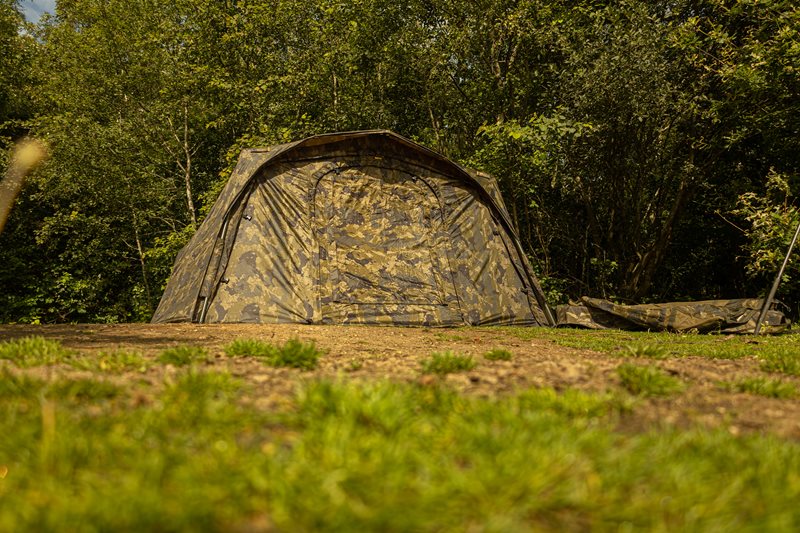
The moment you haul the Solar Tackle Undercover Brolly out of its carry bag, you can tell this isn’t some flimsy beach shelter masquerading as fishing tackle.
The 10,000 HH camo fabric feels substantial in your hands – properly robust, not that papery material you find on budget shelters that rips if you look at it wrong.
For context, anything above 5,000 HH is considered genuinely waterproof, so Solar’s choice of 10,000 HH rated material means this shelter can handle serious British weather.
I’ve sat beneath it during thunderstorms that had other anglers frantically reinforcing their setups, and I remained bone dry whilst watching the rain hammer down.
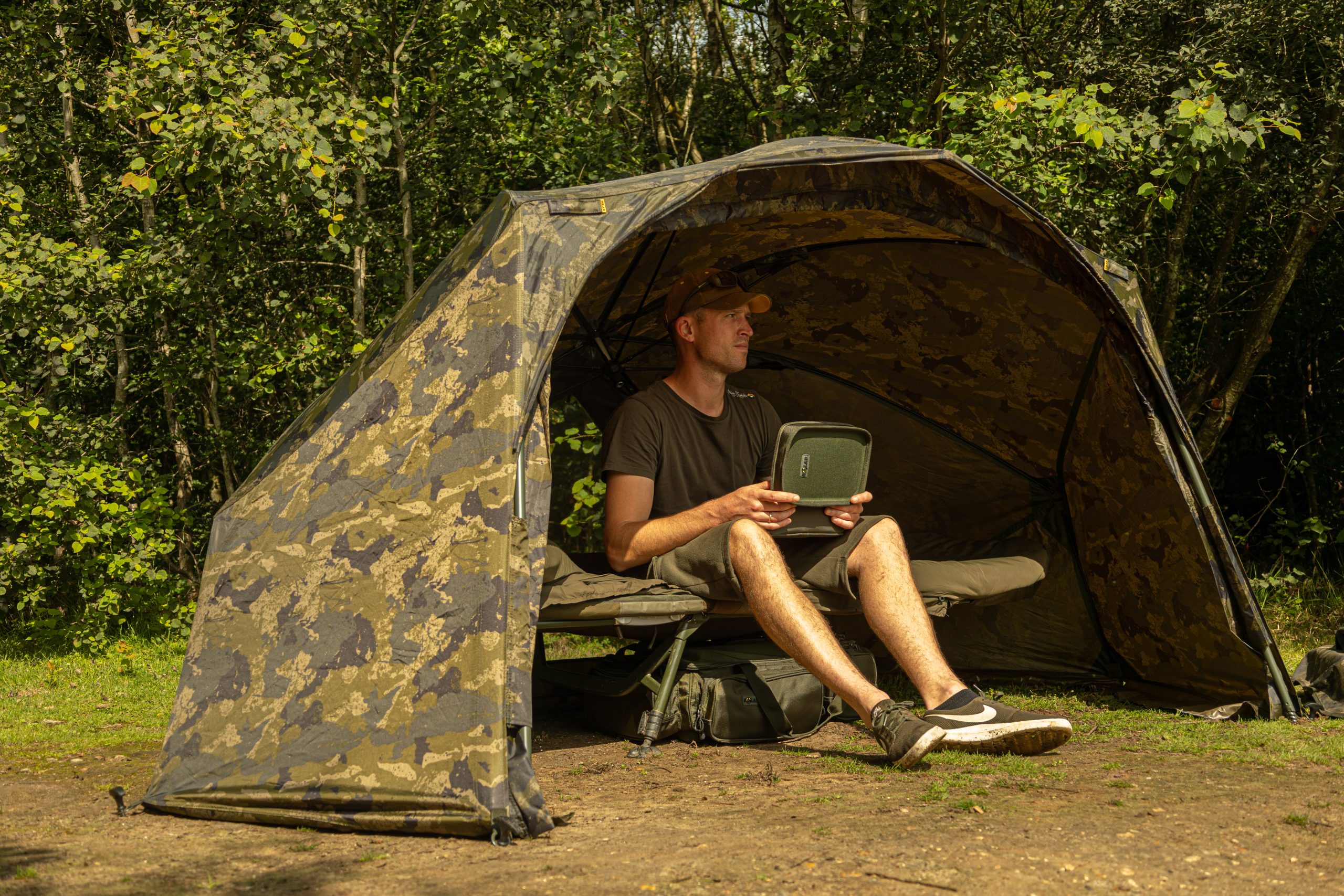
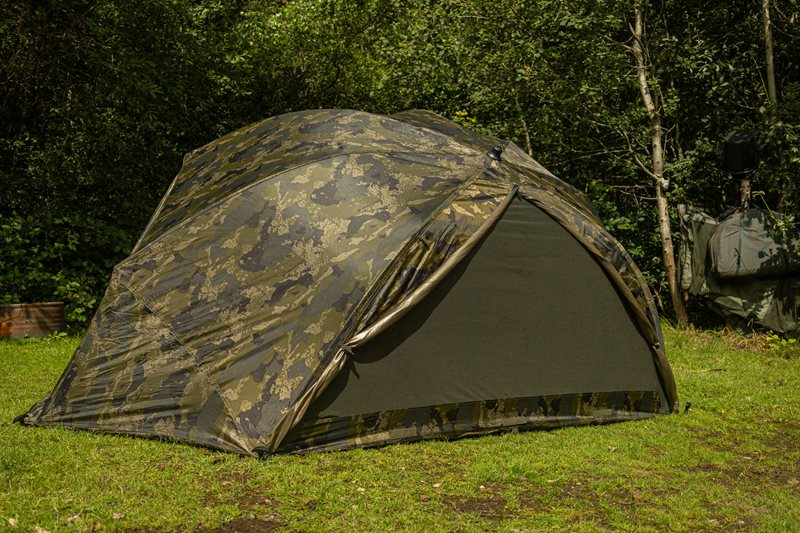
The camo pattern itself is actually quite subtle – none of that garish “I’m trying too hard to be tactical” nonsense. It’s a natural-looking woodland pattern that blends nicely into most UK swims, whether you’re tucked into overhanging willows or set up on an open gravel bar.
More importantly, the fabric has proven remarkably resistant to UV degradation. After eighteen months of use, including some sessions in scorching summer sun, there’s no fading or weakening of the material that you often see with cheaper shelters.
The Rain Gutter: Small Detail, Massive Difference
Here’s where Solar’s designers clearly spent time actually fishing rather than just sketching ideas in an office.
The rain gutter positioned along the front edge is one of those features you don’t fully appreciate until you’re in a proper downpour.
Instead of rainwater cascading straight down onto your bedchair, tackle, or worse – straight down your neck as you’re trying to exit – it’s channelled off to the sides.
I tested this specifically during a particularly grim November session when the heavens properly opened. Water was sheeting off the brolly in biblical quantities, but the gutter directed everything away from the entrance.
Meanwhile, in the next swim, a mate using a different brolly system was getting absolutely soaked every time he ventured near his doorway. He wasn’t best pleased, whilst I remained smugly dry.
It’s these little engineering touches that separate genuinely well-designed kit from the “that’ll do” approach.
The gutter works in conjunction with the front panel’s overhang, creating a sheltered vestibule area where you can stash wet boots or have your kettle going without it getting drowned.
You can also stand just inside the entrance to sort your rigs or rebait whilst staying protected from vertical rain – something you really appreciate at 3am when you’re trying to deal with a screaming alarm.
Seven-Spoke Hub: Maximum Space, Minimum Faff
The low-profile seven-spoke hub system is another example of thoughtful design. Traditional brollies often use five or six spokes, but that extra spoke on the Solar makes a noticeable difference to the internal volume and headroom.
The hub sits lower than many comparable systems, which means you get excellent usable height inside without the shelter looking like a circus tent from the outside.
I’m six foot tall, and I can sit upright on my bedchair without my head brushing the roof – something I definitely couldn’t manage with my old Fox Brolly.
The seven-spoke configuration also creates a more even tension across the fabric, eliminating those saggy areas you get with some shelters where rain pools and threatens to collapse the whole structure.
Each spoke locks into place with a reassuring click, and the aluminium ribs feel substantial without adding excessive weight.
The hub design also contributes to the shelter’s impressive wind resistance. During testing, I experienced winds that were genuinely concerning – the kind where you’re half expecting to wake up in Oz.
The Undercover Brolly held firm, with the seven-spoke structure distributing the load evenly. No dramatic flapping, no concerning bending of ribs, just solid, confidence-inspiring stability.
Versatility That Actually Matters (Not Just Marketing Flannel)
Right, let’s talk about the word “versatile” – it gets thrown around in tackle marketing like confetti at a wedding, often meaning “we couldn’t decide what this product should be, so it does everything badly.”
The Solar Undercover Brolly System is genuinely versatile in ways that matter to real-world angling situations. I’ve used this shelter in pretty much every configuration possible, and here’s what actually works.
Door Options: From Fortress to Gazebo in Seconds
The front panel system offers three main configurations, and crucially, you can switch between them without dismantling half your swim.
The full fabric panel is your default for proper weather protection – zip it up, and you’ve got a completely enclosed shelter that keeps out rain, wind, and that curious swan that keeps trying to nick your bait.
The fabric is taut enough that it doesn’t flap annoyingly in the wind, yet the zips run smoothly even when the material is under tension from wind or rain.
Then there’s the mozzi-mesh panel – and before you dismiss this as only useful for exotic foreign trips, hear me out. British summer evenings can be absolutely plagued by midges, gnats, and those tiny annoying flies that seem to have a personal vendetta against anglers.
I’ve had sessions in June and July where the mesh panel has been absolutely essential. You get brilliant ventilation and visibility to watch your rods whilst keeping the aerial assault at bay.
It’s also perfect for those warm spring afternoons when you want airflow but don’t fancy leaving the shelter wide open to passing dog walkers who inevitably want a chat about your “fishing rod thingy.”
The letterbox configuration deserves special mention because it’s genuinely brilliant for British weather.
You can roll down just the top section, creating a horizontal viewing slot that lets you watch your rods whilst the lower panel keeps out driving rain or biting wind.
I’ve spent entire sessions in this setup during autumn, staying warm and dry whilst maintaining perfect visibility of my indicators.
It’s particularly effective when fishing in the rain – you can see everything you need to see without your entire shelter interior becoming a wind tunnel.
Completely Removable Front: Open-Fronted Freedom
Here’s where the Solar Undercover really distinguishes itself from pure brollies.
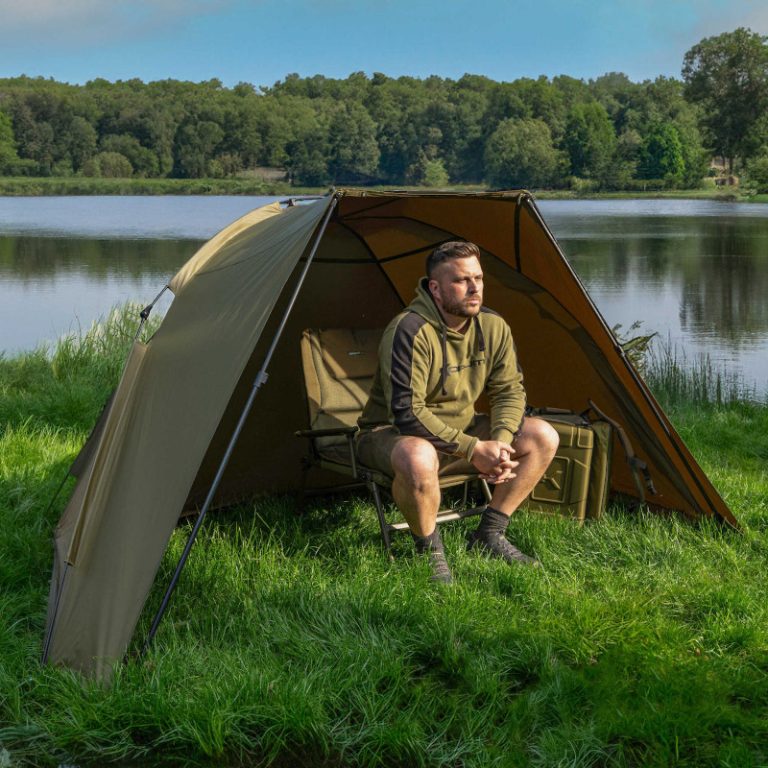
The entire front infill panel detaches completely via a continuous zip, transforming the system into a classic open-fronted shelter that’s perfect for warm, settled conditions.
This isn’t a five-minute operation involving curse words and struggling with stubborn zips – it genuinely takes about sixty seconds.
During summer sessions when the weather’s glorious and you just want some shade, removing the front creates a wonderfully open, airy feel.
You’ve got protection from the sun overhead, the option to roll back the side panels for cross-ventilation, but none of that claustrophobic enclosed feeling. I’ve run it like this during multiple summer campaigns, and it completely changes the character of the shelter.
You feel connected to your swim, can spot fish activity more easily, yet you’re still protected from unexpected summer showers (and we all know how reliable British summer weather is).
The removed panel rolls up compact and tucks into a side pocket on the carry bag, so you’re not losing bits or having loose fabric cluttering your swim.
When the weather inevitably changes – because this is Britain – you can reattach it quickly without needing to remember some complicated sequence of clips and zips.
Drop-Down Rib Extensions: Stability Without Storm Pole Faff
Storm poles are the bane of many anglers’ existence. They’re essential for stability in most brolly systems, but they’re also annoying to set up, easy to lose, and add extra weight to your carry.
Solar’s solution with the drop-down rib extensions is genuinely clever, and it works brilliantly in practice.
These extensions deploy from the main ribs and peg down to create lateral stability, essentially doing the job of storm poles without the additional components.
Setting them up takes seconds – literally just pull them down, peg them out, and you’ve got a taut, stable structure. The system creates proper tension on the fabric, which not only looks neater but dramatically improves weather performance.
I’ll give you a real-world example: during a March session, winds were gusting to what felt like gale force (the weather app said 35mph, which is quite enough, thank you).
The drop-down ribs kept the Undercover Brolly rock-solid whilst other anglers were frantically adjusting storm poles and reinforcing their setups.
The symmetrical tension from the extensions prevented any of that concerning side-to-side movement you get with inadequately stabilised shelters.
The extensions also work beautifully in combination with the supplied heavy-duty pegs.
Solar hasn’t skimped here – these are proper solid pegs that actually grip, not those flimsy wire things that bend the moment they encounter anything harder than wet sand. Even in rock-hard summer ground, I’ve been able to get them in securely (with some persuasion from a bank stick hammer, admittedly)..
Pros and Cons
Pros:
- Highly Versatile: Multiple door options and a completely removable front.
- Excellent Weather Protection: 10,000 HH fabric and a clever rain gutter.
- Clever Design: Drop-down rib extensions for added stability and a low-profile hub for maximum headroom.
- Lightweight: At just 7kg, it’s highly portable for short sessions.
- All-inclusive: Supplied with storm poles, heavy-duty pegs, and an oversized carry bag.
Cons:
- While it’s very robust for a brolly, it won’t offer the same bombproof protection as a dedicated, heavy-duty bivvy in the most extreme conditions.
- It does not come with a groundsheet, although a separate one is available to purchase.
Final Verdict
After eighteen months of real-world testing, multiple seasons, and more sessions than I care to count, here’s the honest truth about the Solar Tackle Undercover Brolly System: it’s a genuinely excellent piece of kit that delivers on its promises, but it’s not for everyone.
Who Should Buy the Solar Undercover Brolly
This shelter is absolutely spot-on if you’re an angler who values flexibility and hates being locked into one style of fishing. Mobile carpers who might do a quick overnighter one week and a three-day session the next will love the adaptability.
The 7kg weight means it’s light enough to carry decent distances without requiring a rest stop and contemplating your life choices, yet substantial enough to handle proper British weather when it arrives.
Day-session anglers who occasionally stay over will find this brilliant – it’s quick to erect when you’ve only got limited time, but transforms into a proper shelter if the fishing’s too good to leave.
Social anglers who fish with mates will appreciate being able to open the front completely and create that welcoming, open feel without sacrificing weather protection when needed.
And if you’re someone who gets annoyed by needlessly complicated gear, the intuitive design and tool-free setup will be right up your street.
It’s also ideal for anglers fishing varied venues.
If you’re switching between intimate estate lakes, windswept reservoirs, and tree-lined pits, having a shelter that adapts to different swims and conditions without needing different accessories is genuinely valuable.
The camo finish means it suits most UK fisheries’ rules about low-vis tackle, and the compact packed size fits in most cars without requiring Tetris-level packing skills.
Who Might Want to Look Elsewhere
If you’re a dedicated all-season, all-weather specimen angler who regularly fishes through brutal winter conditions, you might want something more substantial.
Whilst the Undercover Brolly handles typical British weather brilliantly, a proper heavy-duty bivvy like the Trakker Tempest Advanced will offer superior insulation and bombproof protection during extended February sessions when it’s -5°C and blowing a hoolie.
The Undercover is good in winter, but dedicated winter bivvies are better.
Anglers who never do short sessions might also prefer the extra space and features of a full two-man bivvy.
If you’re always doing week-long trips with mountains of tackle, you’ll appreciate the additional room for storing gear, a bigger cooking area, and more substantial groundsheet options that purpose-built bivvies provide.
The Solar is spacious for a brolly system, but it’s not a palace.
And let’s be honest – if you’re a bivvy snob who judges people by their shelter choice, you’ll probably dismiss this as “just a brolly” regardless of its actual capabilities.
Some anglers simply won’t be satisfied with anything less than a full-featured bivvy, and that’s fine. We all have our preferences, even if some of them are a bit daft.
What It Does Better Than Competitors
Compared to similar systems like the Fox Frontier Lite (which I’ve also used extensively), the Solar offers noticeably better build quality and more versatile door options.
The Frontier is lighter and packs smaller, but the fabric feels less substantial and the weather protection isn’t quite as comprehensive.
Against the Trakker MC-60 Brolly System, the Solar’s drop-down rib extensions are more elegant than Trakker’s storm pole approach, though the Trakker does offer marginally more internal space.
The Nash Scope Black OPS Brolly is probably the closest competitor in terms of features and quality, but it’s also considerably heavier and more expensive. If budget’s no concern and you want maximum features, the Nash might edge it.
For most anglers, though, the Solar offers better value and practicality.
Where the Undercover Brolly genuinely excels is in that sweet spot between portability and protection. It’s not trying to be the lightest brolly or the most bombproof bivvy – it’s aiming to be the best all-rounder, and it succeeds admirably.
Essential Accessories Worth Adding
Whilst the system comes well-equipped, there are a few additions worth considering. The Solar Undercover Groundsheet is the obvious first purchase – it’s tailored to fit perfectly, made from tough rip-stop material, and transforms the shelter into a properly sealed unit.
I’d honestly consider this essential rather than optional, particularly for overnight sessions or muddy swims.
Some anglers also add LED bivvy lights or magnetic utility panels to create extra storage inside.
The Solar’s internal space accommodates these accessories well, though I’d suggest keeping additions minimal to maintain the streamlined, clutter-free interior that makes the system so pleasant to use.
The Honest Truth
The Solar Tackle Undercover Camo Brolly System is that increasingly rare thing in carp fishing – a product that genuinely does what it claims without requiring a mortgage or a team of engineers to operate.
It’s well-designed, properly built, reasonably priced, and actually useful in real fishing situations. The versatility isn’t marketing nonsense; it’s practical flexibility that you’ll use regularly.
Is it perfect? No. The lack of an included groundsheet is annoying, and it won’t replace a dedicated bivvy for hardcore winter warriors.
But for the vast majority of UK carp anglers who fish varied sessions across different seasons and want reliable, adaptable shelter without excessive weight or complexity, it’s hard to beat.
After eighteen months, mine’s still going strong, still keeps me dry, and still gets packed for every session. I can’t think of higher praise than that.
Which Bivvy Rating: 8.5/10
A genuinely versatile, well-engineered shelter that bridges the brolly-bivvy gap better than almost anything else available. Highly recommended for anglers who value adaptability and quality without unnecessary complications.
FAQs
Does the Solar Tackle Undercover Camo Brolly System come with a groundsheet?
The standard Solar Undercover Brolly System does not come supplied with a groundsheet. A specific groundsheet made from a durable, rip-stop material is available to purchase separately and is designed to be compatible with this model.
Is this brolly suitable for all-season use, including winter?
The Solar Undercover Camo Brolly System is extremely versatile and well-suited for most conditions, thanks to its 10,000 HH waterproof fabric and removable front panel. While it provides excellent protection for spring, summer, and autumn overnighters, for the most extreme winter conditions, some anglers may prefer a dedicated, heavier-duty bivvy for maximum thermal insulation.
How quick and easy is the Solar Undercover Camo Brolly to set up?
The brolly system is designed for quick deployment. Its seven-spoke hub and drop-down rib extensions allow for a very rapid and stable setup. The entire front infill panel can be zipped on or off in minutes, making it highly adaptable for any weather changes you might encounter.
What is the main difference between a brolly and a bivvy?
A brolly is typically a lighter, more compact, and faster-to-set-up shelter than a bivvy, making it ideal for mobile or short-session anglers. A bivvy, in contrast, is generally a more robust, heavier, and more spacious structure designed for long sessions where maximum comfort and all-weather protection are the top priority. The Solar Undercover Brolly System combines the speed of a brolly with many of the features of a bivvy.